How Monument Group is weaving environmental responsibility into every layer of development — from the materials we choose to the communities we shape.
For too long, real estate development has operated under a simple calculus: build fast, sell faster, move on. Monument Group was founded on a different premise — that the truest mark of a great builder is not the speed of delivery, but the quality of what endures.
Sustainability is not a feature we bolt on. It is a discipline we embed from the first pencil sketch to the last square foot handed over to a family.
A Framework Built on Accountability
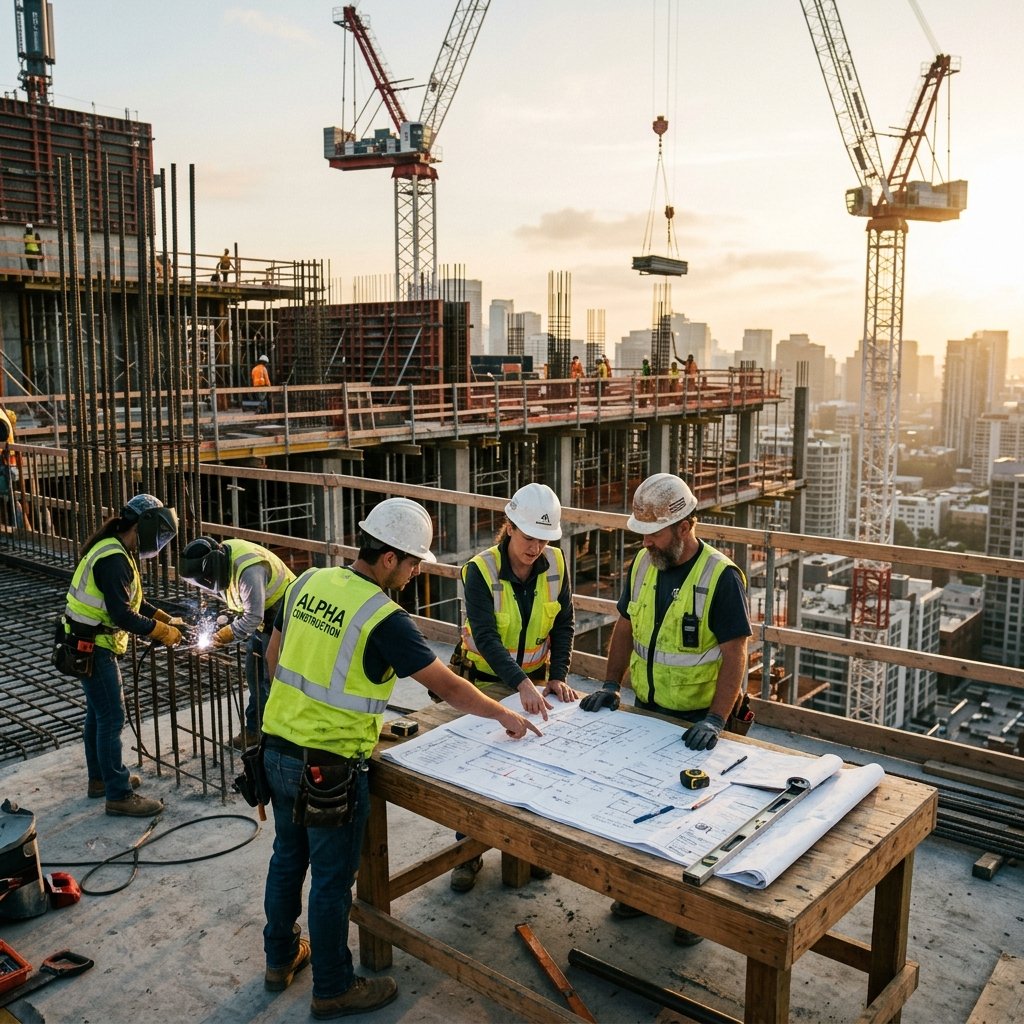
Every project that leaves our drawing boards is evaluated against a sustainability scorecard covering three pillars: environmental impact, material sourcing, and long-term community benefit. We ask hard questions early — before the budget is set, before the contractor is hired.
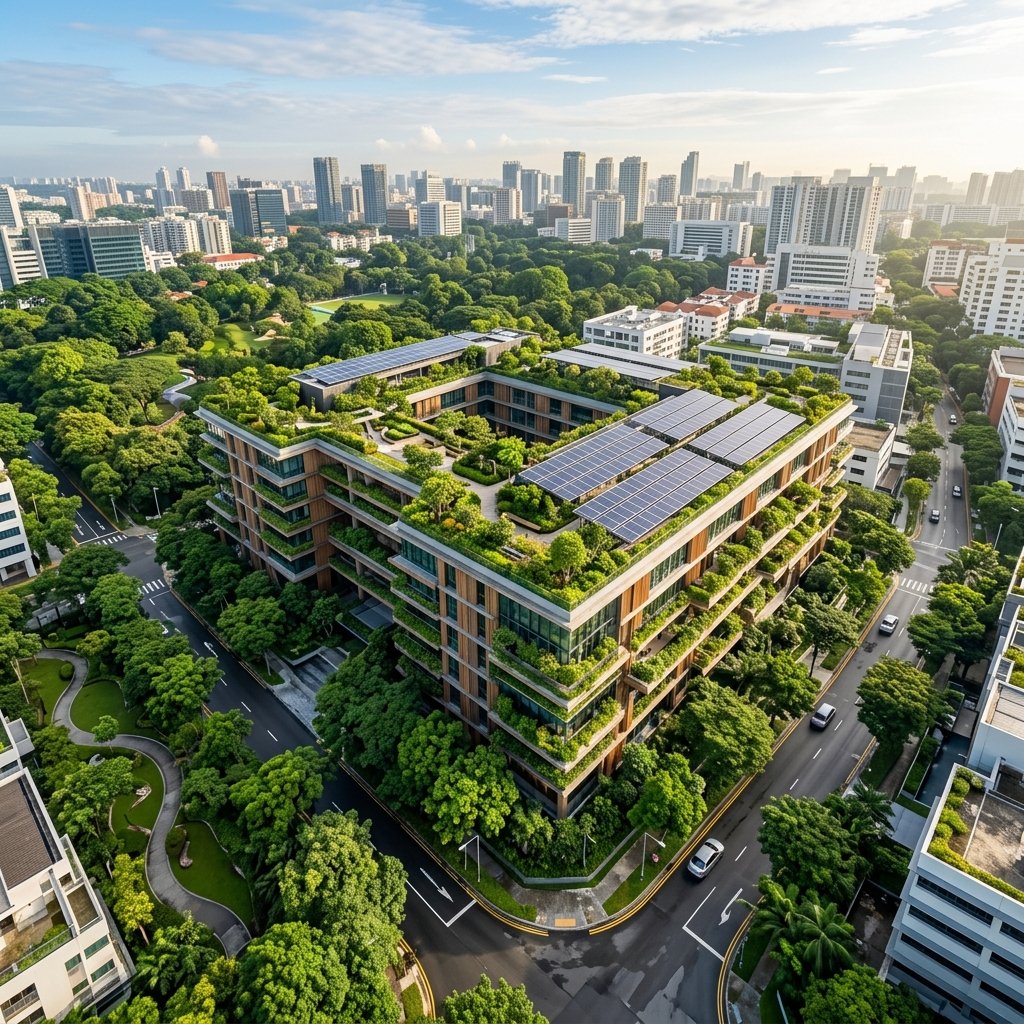
This means selecting fly-ash brick wherever structural requirements allow, reducing the embodied carbon in our superstructures by up to 22%. It means orienting buildings to maximise natural light and ventilation, reducing cooling loads before a single air-conditioning unit is ever switched on.
"The greenest building is the one that doesn't need to be demolished and rebuilt in thirty years. We build for that standard."
Water: The Non-Negotiable
Bhubaneswar sits in a region of erratic rainfall. Our engineering teams design rainwater harvesting systems as standard on every project above 50,000 sq ft — not as a checkbox, but as a genuine water-security measure for the families who will live there for decades.
Across our completed residential portfolio, we have collectively harvested and recharged over 40 million litres of rainwater into local aquifers. This is water that would otherwise have flowed away as urban runoff, contributing to the flooding of roads and the depletion of groundwater.
The Human Dimension
Sustainability is not only ecological. It is social. A neighbourhood that dissolves in five years because the quality of construction forced families to leave is not a success — it is a failure measured in human displacement.
This is why we invest in community infrastructure: wide internal roads designed for pedestrians, not just vehicles; tree-lined buffers at every perimeter; dedicated green spaces calculated at a minimum of 35% of total plot area. These are not luxuries. They are the conditions that allow communities to thrive.
Monument Group's commitment to sustainability is ultimately a commitment to the future residents of every building we sign our name to. That is a promise we intend to keep — one brick at a time.